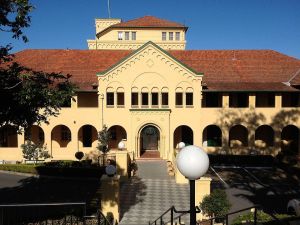
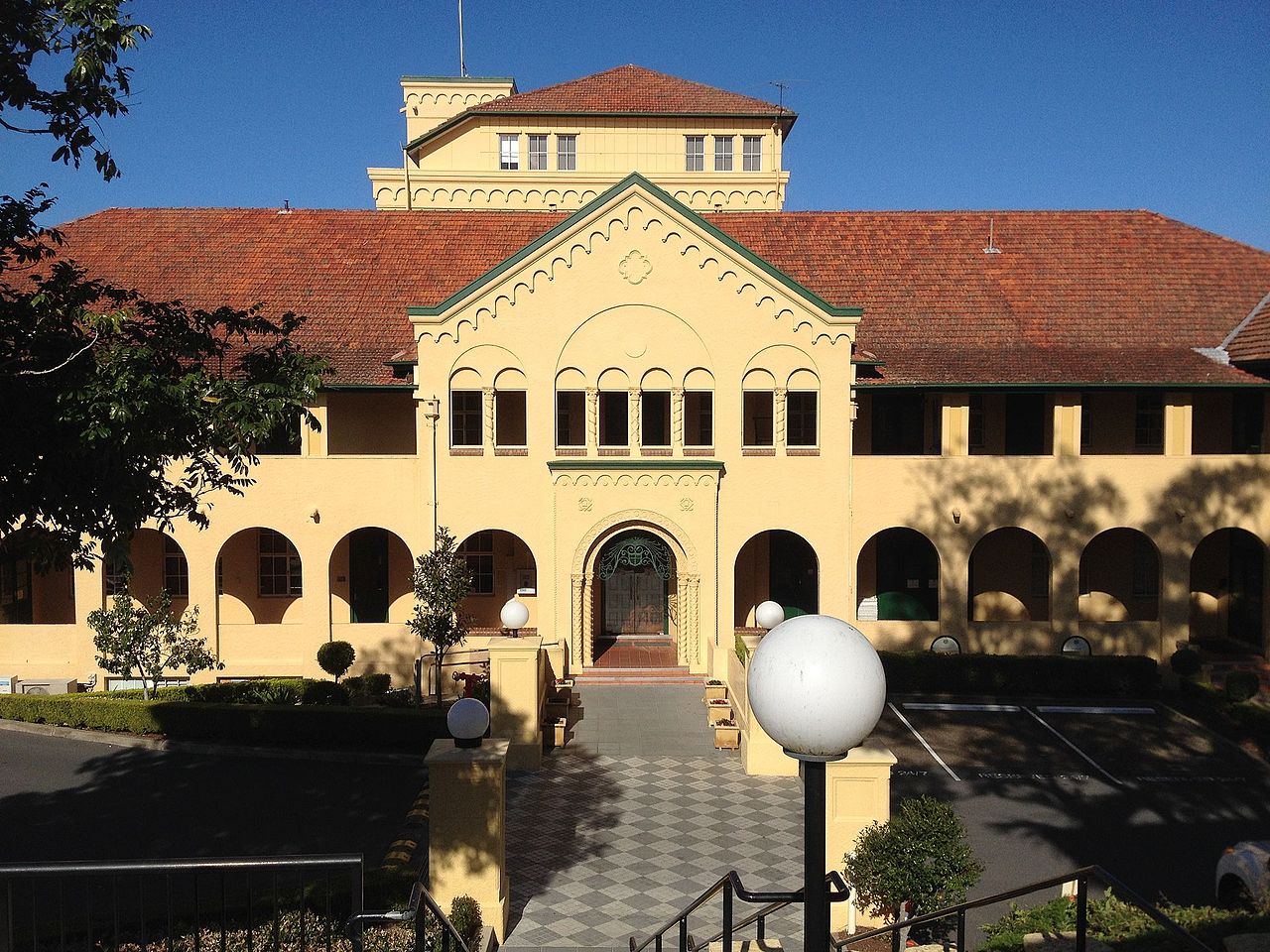
Last week, I spoke with Ben Davis from 4BC about broadening the GST (see 4BC interview on KPMG’s analysis of GST increase for CPA Australia). Our discussion was pretty high-level, and there were many detailed issues we could have discussed further. For example, parents of students at private schools such as Brisbane Boys’ College (image above; see attribution below) would be significantly affected by any broadening of the GST. And the impacts may not stop there, as explained by Michael Willis in a guest post below. Michael is a Senior Advisor at Effective Governance Pty Ltd. He is also the Honorary Treasurer of Independent Schools Queensland. The opinions expressed here are his own.
Time for a Sensible Debate on Broadening the GST Net
The case for broadening the GST net needs to be carefully considered. The argument is that the GST would be more efficient and fair if applied more broadly, to include items that were initially exempted, such as food, school fees and health insurance. A supporting case is also made for some compensation for affected low income consumers. Much of the argument for this change has focussed on two policy dimensions – the fiscal aim of balancing budgets and the desire to equitably compensate for the regressive nature of the GST – but is in peril of ignoring a third and critical element, the need for an efficient taxation-welfare regime.
On the question of school fees, for example, NATSEM has estimated that extending the GST to school fees would raise an extra $790 million in revenue. However, we need to consider more broadly what might happen if school fees were increased for a ten percent GST.
This ten percent school fee hike won’t hit just the parents of students in the so-called “elite” schools. It will affect many families in outer suburbs and regional areas, who often battle to send their children to low-fee schools run by local church and charitable groups. Such a major impost will significantly affect the spending choices of these families. Some will opt out of private schooling altogether, sending their children to the public system. Others may choose a lower fee school, to offset the fee hike.
The Productivity Commission’s latest Report on Government Services 2015 shows that it costs governments an average of $6,891 more each year to educate a student in a public school than in a private school. That’s a whopping $8.7 billion that private schools save the taxpayers every year. Private school parents cover around half the cost of a child’s education through their fees. We also need to recall that, under the current needs-based funding system, the government subsidy for a student in a low fee private school is much higher than for one in a higher fee school. Higher fee schools have parents paying over 80% of their operating costs, with only a fraction of government help.
Therefore, every time a family switches to a public school, or to a lower-fee private school, it costs the taxpayer more in subsidies.
Continue reading →


 Queensland Economy Watch