Anarcho-capitalism and a Libertarian analysis of COVID with Prof. Walter Block – my latest podcast episode

My latest Economics Explored podcast episode contains an introduction to the concept of anarcho-capitalism and a libertarian analysis of the COVID-19 pandemic with Professor Walter Block, Harold E. Wirth Eminent Scholar Endowed Chair in Economics at Loyola University and senior fellow of the Mises Institute. Professor Block achieved renown as an anarcho-capitalist theorist and advocate in the seventies with his thought-provoking book Defending the Undefendable, which received praise from the late great Friedrich von Hayek among other luminaries. Another one of Professor Block’s books is The Privatization of Roads and Highways, an idea I question Professor Block about in this conversation.

On COVID, while Professor Block thinks governments around the world have generally gone too far with lockdown measures, he recognises that libertarianism doesn’t offer a simple answer. As Professor Block explained in a thoughtful paper he wrote last year A Libertarian Analysis of the COVID-19 Pandemic:

The libertarian movement seems divided on this issue [of lockdowns]. There are those who are quarantine “hawks,” who favor heavy government involvement as a solution to the problem. They do so reluctantly, since this initiative amounts to, in effect, kidnapping or the jailing of innocents, albeit under house arrest, not prison. Then there are others who bitterly oppose this practice as a clear and present violation of rights. These are the “doves.” They favor individualism, initiative, decentralization; they are adamant about this position.

The thesis of the present paper is that both sides are wrong. The correct view is one of agnosticism, since the facts from which either policy could be deduced are not known at present with enough certainty.

Thanks to Darren Brady Nelson for having alerted me to Professor Block’s work and for having connected us both so I could record this podcast episode. I encourage you to give it a listen and send any comments or questions to contact@economicsexplored.com.

Posted in Uncategorized | Tagged , , , , , , , | Leave a comment

QPC paper shows state gov’t not doing enough to cut red tape (or prevent its application in the first place)

Last September, Queensland Treasurer Cameron Dick announced the Queensland Productivity Commission would be rolled into state Treasury, but that doesn’t appear to have happened yet, and before it does the QPC is doing its best to subtly critique the state government’s approach to regulation. Yesterday the QPC released a useful research paper on Improving Regulation, which suggests the state government really hasn’t done much to reduce red tape and has ignored some big opportunities to improve or remove costly regulations.

First, consider the high cost of regulation to the Queensland economy. The QPC observes (on p. 32):

This paper estimates the administration and compliance costs in Queensland at $3.5 to $7 billion per year, based solely on the imposition of state-based regulation.

Of course, you need to consider offsetting benefits of regulation, but, as the QPC observes, with such a high cost there’s probably a lot of scope to improve the quality of regulation and reduce that cost.

The QPC’s frustration with the state government’s lack of action on cutting red tape, and limiting the imposition of new red tape, is obvious to me. But the QPC could make only veiled criticisms of the government in the paper, because after all it’s a government agency. For instance, check out the QPC’s commentary (on p. 27) regarding regulatory impact analysis (RIA):

RIA does not guarantee good regulatory outcomes, but instead provides a structured and transparent process to help achieve that outcome.

Many jurisdictions have experienced challenges in making RIA processes work effectively.

One of the major issues is that RIA is sometimes viewed as a barrier to timely decision-making by policymakers, who may then seek to avoid RIA through the use of exemptions (Box 3.8).

Could one of those “many jurisdictions” include Queensland? Let’s check out Box 3.8, to which the reader is referred to by the QPC:

Since July 2017, 60 regulatory proposals (Bills and proposed regulations) were granted an exemption from the RIA process in Queensland. Around 37 RIS documents were assessed by the Commission in the same period.

The QPC is pointing out Queensland’s RIA process hasn’t worked effectively. What costly regulations have slipped through because they were politically desirable? The QPC could have added some real value here by identifying the worst offenders, but I guess it would have been “courageous”, in Sir Humphrey’s sense, for it to have said much more than it did.

Finally, (on pp. 24-5) the QPC usefully identifies some areas of regulation which, in the QPC’s sanitised public service language, “may benefit from review”:

  • Building and construction regulation,
  • Land use planning and development,
  • Local government regulation,
  • Occupational regulation,
  • Environmental regulation,
  • Tourism and hospitality regulation, and
  • Business establishment and approvals.

That’s a lot of regulation which “may benefit from review”! Come on 1 William St, it’s about time to have a serious look at all the regulations burdening industry.

Please feel free to comment below. Alternatively, you can email comments, questions, suggestions, or hot tips to contact@queenslandeconomywatch.com

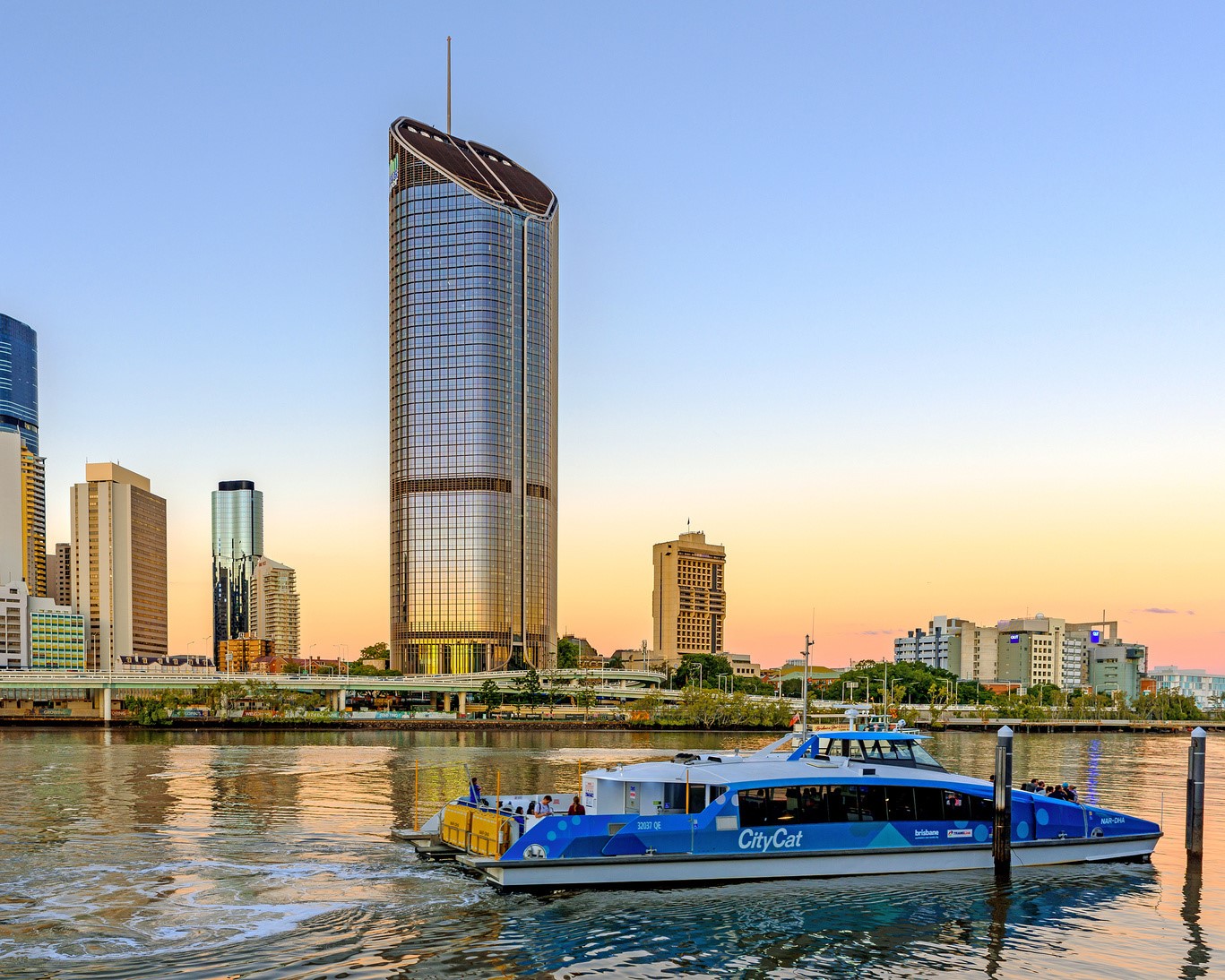
1 William St, the Queensland Government’s “Tower of Power”, as viewed from near the City Cat terminal at South Bank, Brisbane. Photo by Jennifer Tunny
Posted in Queensland Government | Tagged , , , , , , | Leave a comment

Role of Treasury in economic policy conversation with Paul Tilley – latest Economics Explored episode

When I spoke with Scott Emerson on his 4BC Drive program last Thursday, I mentioned the federal Treasury would be currently working on options to extend JobKeeper in some form to tourism-dependent businesses. The Treasury has been prominent in developing the economic response to COVID-19, as it was during the global financial crisis of 2008-09.

In his excellent 2019 history of the Treasury, Changing Fortunes, former senior Treasury and PM&C official Paul Tilley wrote in the introduction:

Treasury has been at the heart of government in Australia since Federation, and central to economic policy making in the post-World War II era. It has been confidante, adviser and protagonist to governments – but it’s influence has waxed and waned.

Treasury’s influence is clearly waxing right now, but will it remain influential post-COVID? Will Treasury advise future governments to get their budgets under control and stabilise and ultimately reduce the debt-to-GDP ratio, and will that advice be followed? Or is Treasury too close to the government nowadays to provide frank and fearless advice?

Paul expresses some firm views on the relationship between Treasury and the government in his book, and we touched on this relationship in a podcast conversation we had earlier this week: Economics Explored EP77: The Role of the Treasury in Economic Policy with Paul Tilley.

Please check it out and let me know what you think. Also, I can highly recommend Paul’s book to anyone interested in economic policy or Australia’s economic history – really to anyone interested in Australian history, given Treasury’s importance in that history. As Paul notes in his book, “Treasury was one of the seven government departments established at Australia federation in 1901, tasked with establishing a budget for the new Commonwealth Government.” Treasury is an institution that is incredibly important in the history of Australia.

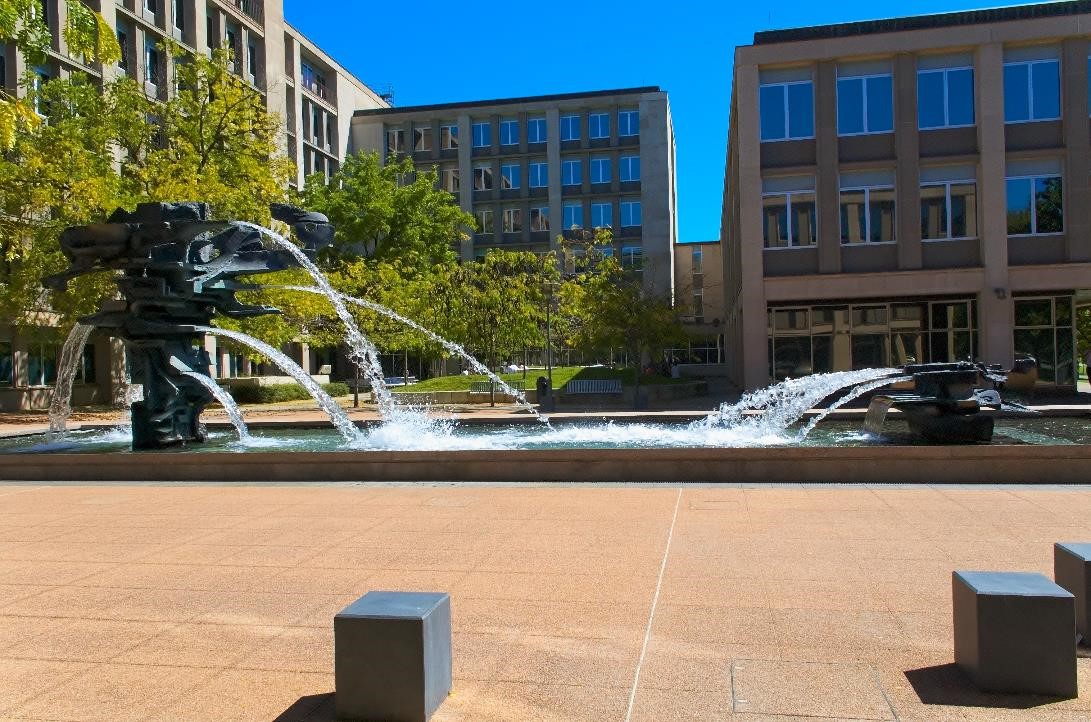
The extraordinary Norma Redpath fountain outside the Treasury building on King Edward Terrace, Canberra.

Please feel free to comment below. Alternatively, you can email comments, questions, suggestions, or hot tips to contact@queenslandeconomywatch.com

Posted in Budget, Macroeconomy | Tagged , , , , , , , , , , | 1 Comment

Qld Premier highlights my JobKeeper comments in Instagram post

Thanks to John McCarthy for yesterday’s InQld story picking up my comments in yesterday’s QEW post regarding the need for the federal government to extend JobKeeper in some form for tourism-dependent businesses. John’s story has been noticed and shared by Premier Palaszczuk via her social media accounts, with the story taken as evidence that “Experts agree” with the Premier (check out her Instagram post below). Of course, an extended JobKeeper for aviation, hospitality, and tourism can’t last forever, but if international border restrictions will apply until at least June, then something needs to be done to avoid further economic carnage in highly tourism-dependent regions such as Cairns and the Whitsundays.

Please feel free to comment below. Alternatively, you can email comments, questions, suggestions, or hot tips to contact@queenslandeconomywatch.com

Posted in Cairns, Macroeconomy | Tagged , , , , , , , , , , , | 2 Comments

Recovery has been better than expected (especially in Qld), but let’s see what happens when JobKeeper ends

Whoever looks after the Queensland Premier’s Instagram account is a social media grandmaster (e.g. see the post below). The regular reminders of the imminent end of JobKeeper on 28 March are contributing to pressure on the federal government to implement a replacement scheme for tourism and hospitality, which it absolutely needs to do, unless it wants to send Cairns into an economic depression and risk the recovery of many other tourism-dependent regions in Australia. Of course, the Premier’s Instagram posts are also a political mind trick, distracting people from the fact the state government’s past interstate border closures have been a contributing factor to the financial strains felt by many tourism and hospitality businesses across Queensland.

The imminent end of JobKeeper is the big risk to Australia’s economic recovery, and we need to keep it in mind when interpreting the National Accounts released by the ABS yesterday. The December quarter National Accounts showed stronger than expected growth in the December quarter of 3.1%. That said, the Australian economy was still 1.1% below where it was in December quarter 2019, meaning things definitely aren’t back to normal yet. In per capita terms, GDP was 1.8% below its December quarter 2019 level.

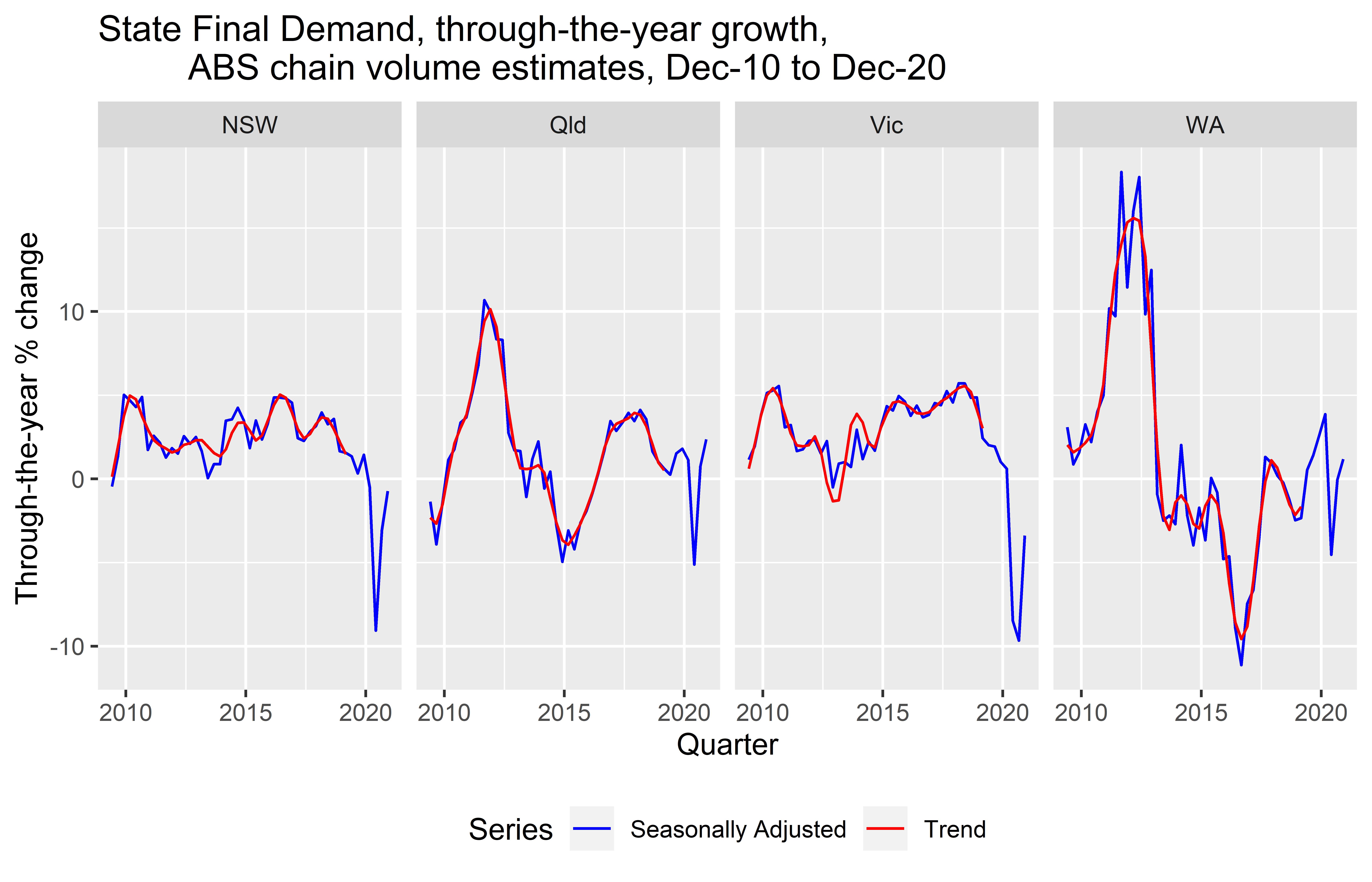
Queensland performed better than the rest of Australia over 2020 and ended the year with the highest through-the-year growth rate (2.4%) among the states (e.g. see chart below). I suspect our resilient mining and agricultural sectors helped Queensland cope with the COVID shock better than most, along with the state government continuing to grow the public service at a high rate.

In its State Details briefing, Queensland Treasury has a solid analysis of Queensland’s December quarter performance in terms of the expenditure components of State Final Demand (which doesn’t include exports or subtract imports from spending components in which it’s included). Treasury rightly highlights the importance of a surging building industry to Queensland’s recovery:

Dwelling investment rose 9.6% in the December quarter, driven by a 10.1% rebound in new and used dwellings. Although this component had been in a long-run decline since the end of the apartment construction boom, low interest rates and generous government incentives have spurred a recent surge in activity in this sector. Strong recent building approvals data suggest the increase in construction activity will continue in coming quarters.

Meanwhile alterations and additions rose a further 9.0% in the quarter. The pandemic has seen Queensland residents choose to increase investment in their current homes, with alterations and additions investment now up 21.9% since June quarter 2020.

Overall, yesterday’s National Accounts confirmed that Australia is recovering much better from the COVID recession than expected. But, of course, the National Accounts were for a quarter which finished two months ago, and they are old news now. Big risks remain, particularly from the imminent end of JobKeeper. On the so-called fiscal cliff, check out the excellent briefing from Dave Rumbens from Deloitte a few weeks ago.

Please feel free to comment below. Alternatively, you can email comments, questions, suggestions, or hot tips to contact@queenslandeconomywatch.com

Posted in Macroeconomy | Tagged , , , , , , , , , | Leave a comment

More work needed to show SEQ Olympics would stack up

The increasingly likely 2032 SEQ Olympics stimulated a lot of debate across Australia last week, and I expect scepticism of the Olympics will grow in the lead up to the Games. At the moment, regional Queenslanders such as Robbie Katter MP (see this ABC News report) and Townsville economist Colin Dwyer are leading the criticism against the bid for the 2032 Games. Colin wrote a passionate email to his mailing list last Thursday, with the subject heading “Stop the Brisbane 2032 Olympics”:

What does a successful SEQ Olympics 2032 mean for regional Queensland?  A successful SEQ 2032 Olympics bid will cost Billions and will experience large cost over-runs, blowing out state debt.  Olympic Investment will be concentrated in the south east with crowding out consequences for crucial and safe regional infrastructure.  We will all share the massive cost burden of an SEQ Olympics but regional Queensland will not get Our Fair Share of the net benefits.

I too am concerned an SEQ Olympics would experience large cost over-runs. It appears to me that the state government hasn’t properly crunched the numbers on what an SEQ Olympics would actually cost, or if it has it hasn’t published the results. All the state government appears to have published is a 24-page Value Proposition Assessment Executive Summary which it released early last year. I suspect it didn’t publish the full report because it would raise too many questions about the merits of the Olympics bid. The report does not provide any tabulations of expected costs, both operational and capital costs, to compare with expected benefits. The government hasn’t shown its calculations or its underlying assumptions supporting its confidence the Olympics will be a net positive for the state.

The Queensland Government’s assertion that the Olympics will be “cost neutral” only applies to the Games’ operating budget, labelled the Organising Committee for the Olympics Games (OCOG) budget (see p. 15 of the Executive Summary). It does not apply to new venues, venue upgrades, or other infrastructure built for the Games. The Government admitted in its Executive Summary: “Costs associated with the non-OCOG budget continue to be assessed.” These costs will include the capital costs for a minimum of two but potentially seven new venues, possibly including an Olympics stadium at Albion, according to this Brisbane Times report.

It’s clear that the state government committed to bidding for the Olympics without having a firm idea what it would ultimately cost Queensland taxpayers. Anyone who has seen how investment decisions are made in private sector companies would be appalled by this lack of feasibility analysis and due diligence.

Finally, I should say I’m not necessarily against an SEQ Games, but I’d like to see a much more convincing demonstration that it would be in the interests of all Queenslanders than the Government has provided to date.

Please feel free to comment below. Alternatively, you can email comments, questions, suggestions, or hot tips to contact@queenslandeconomywatch.com

Posted in Infrastructure | Tagged , , , , , , | Leave a comment

How high agreeableness meant Aussies tolerated COVID restrictions – latest podcast episode with QUT’s Dr Stephen Whyte

It’s been remarkable how tolerant Australians have been of all the COVID-related restrictions, some of which, to me, appeared excessive and unjustifiable, such as some of the interstate border restrictions and the snap three-day Brisbane lockdown earlier this year. QUT’s Dr Stephen Whyte undertook some fascinating research last year in which he and his co-authors explored the relationship between personality traits and compliance with COVID guidelines and restrictions (Can Psychological Traits Explain Mobility Behavior During the COVID-19 Pandemic?).* Rather than Australia being full of larrikins who wouldn’t abide by guidelines or restrictions, Australians are, on average, highly agreeable and this meant high levels of compliance, as Stephen told the ABC’s Kat Davidson earlier this month (COVID lockdowns prove Aussies aren’t larrikins after all). I interviewed Stephen on his research earlier this week and I’ve now published our conversation as my latest podcast episode. I hope you enjoy it.

*The big five personality traits are extraversion, agreeableness, openness, conscientiousness, and emotional stability (or its obverse, neuroticism).

Please feel free to comment below. Alternatively, you can email comments, questions, suggestions, or hot tips to contact@queenslandeconomywatch.com

Posted in Uncategorized | Tagged , , , , , , , , , , | Leave a comment

Most host cities lose money on the Olympics – SEQ Olympics needs to be delivered cost-effectively

While it’s exciting news that SEQ is the lead candidate for the 2032 Olympics (check out the Brisbane Times report), the reality is that the Olympics probably won’t be an economic boon and it will end up costing Queensland taxpayers and SEQ ratepayers. You can argue it’s a good thing to host the Olympics, for community spirit and to encourage participation in sport, but it’s hard to make an economic argument for it, given most host cities lose a lot of money – Montreal in 1976 being the classic example – unless the host city re-uses a lot of old facilities (e.g. LA in 1984) or it really does signal a re-opening of the city to the world and stimulates a tourism boom (e.g. Barcelona in 1992).

We need to deliver an SEQ Olympics cost-effectively, which is why it is concerning the Brisbane Lord Mayor sees this as an opportunity to spend big on infrastructure (see Brisbane lord mayor calls for decade-long Olympics boom). Sure, some infrastructure spending may be needed, but let’s make sure the cost-benefit analysis studies are done and the projects stack up over the long-term.

I made some comments to CPA Australia’s In the Black magazine about the Olympics bid earlier this month and hopefully the magazine will be available soon. Previously I commented on the SEQ Olympics bid on QEW in 2016 when it was first announced:

SEQ should note growing realisation the Olympics is a waste of money

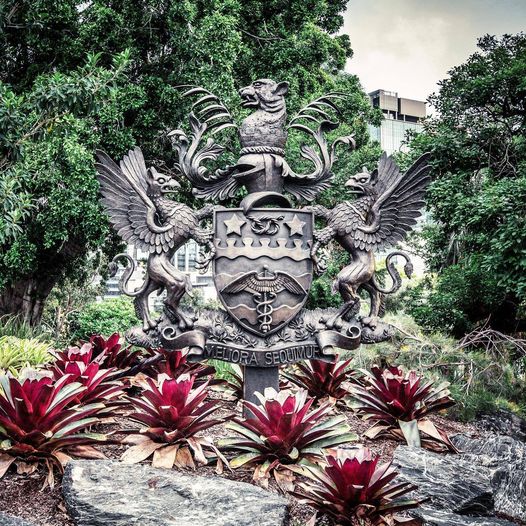
Brisbane City Coat of Arms, corner of Wickham Terrace and Albert St, Spring Hill, Brisbane. Photo by Jennifer Tunny.
Posted in Brisbane, Gold Coast, Infrastructure | Tagged , , , , , | 3 Comments

Interest rates and inflation with Michael Knox, Chief Economist of Morgans

Jonathan Shapiro has an interesting article in the Financial Review, Why the market has suddenly woken up to inflation, in which he writes:

…the lower-for-longer [interest rates] doubters are re-emerging. They believe deliberately slow-to-act central banks in the US and in Australia, stimulus cheques and pent-up spending will turbo-charge economic activity and unleash the inflationary forces many thought were gone for good.

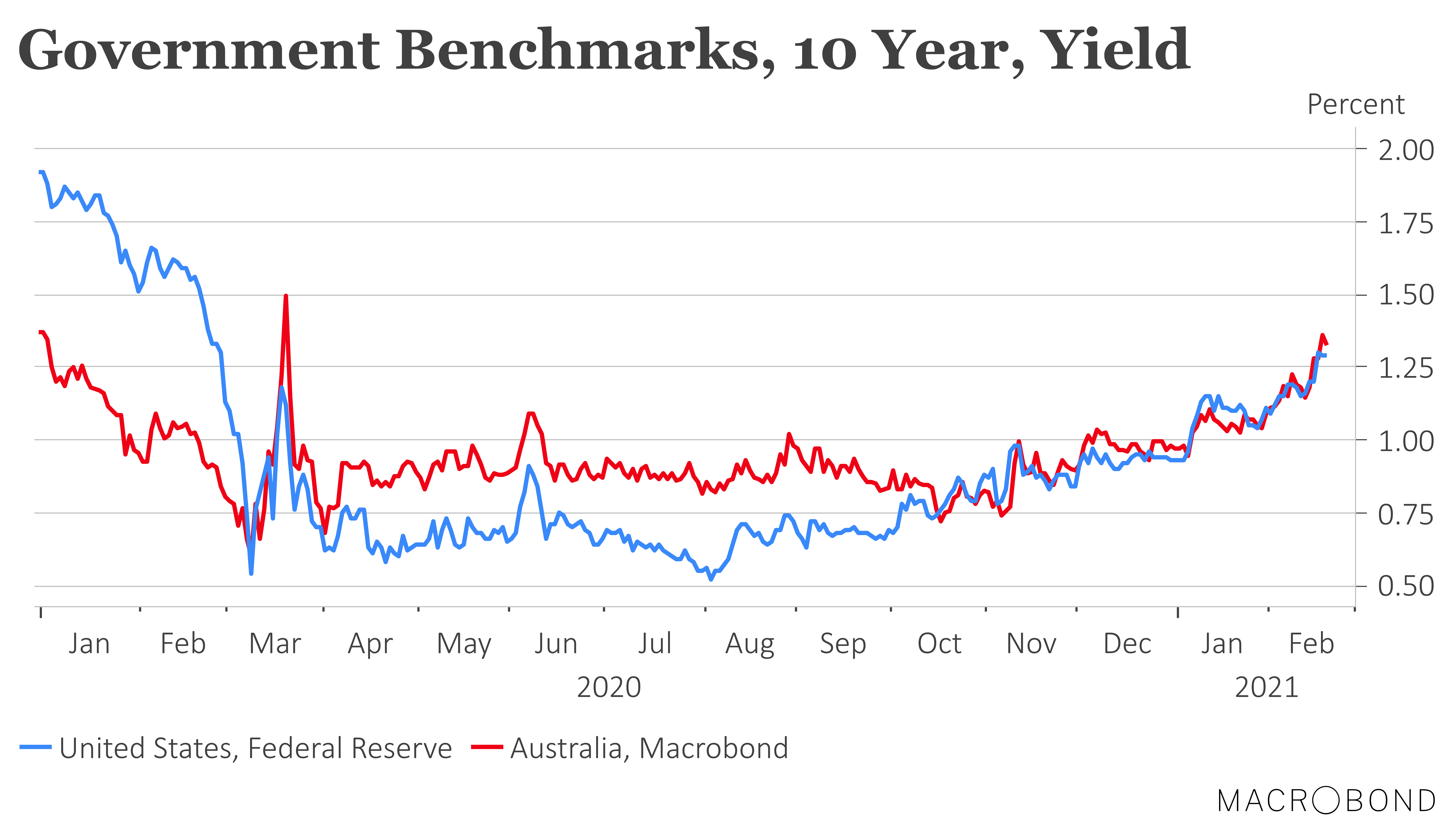
Shapiro notes the bond market is starting to expect higher future inflation, with longer-term bond yields rising (e.g. check out the chart below). Higher bond yields, which mean higher borrowing costs for governments, will impact future government budgets and may force governments to make difficult decisions in a few years time as they face rising interest bills. However, central banks are keeping shorter-term yields (and, for now, home loan rates) suppressed through their traditional open market operations in the overnight cash markets and by Quantitative Easing – e.g. RBA purchases of three-year Treasury bonds in Australia (to target a 0.1% yield) and the RBA’s Term Funding Facility providing additional cheap finance to banks for business lending.

Given the states of economies worldwide, there is a lot of scepticism about current expectations of inflation, with CNBC reporting ‘This is not inflation’: Economist says expectations are unanchored from reality. That said, there’s little doubt we’ll see much higher inflation and interest rates eventually (especially given the trends examined in The Great Demographic Reversal). The big question is when.

Earlier this week, I spoke with Michael Knox, Chief Economist of Morgans, about his views on inflation and interest rates in his latest note The Fed – Allowing the economy to run hot. In his note, Michael observes:

The Fed has changed its inflation targeting policy to a longer run average inflation rate. The US likely gets back to full employment by 2023. After that, higher inflation may start a bond market bear market which will be hard to hold.

A bear market in bonds would mean a crash in bond prices and a surge in yields/interest rates, as the price and yield of a bond are inversely related. Michael Knox sees that happening after 2023 in the US and I expect we could see that repeated in Australia. To listen to Michael’s thoughts and his insightful and entertaining commentary on interest rates and inflation, check out our conversation which I’ve published as the latest episode of my Economics Explored podcast The Fed and Inflation Targeting.

Please feel free to comment below. Alternatively, you can email comments, questions, suggestions, or hot tips to contact@queenslandeconomywatch.com

Posted in Macroeconomy | Tagged , , , , , , , , , , | Leave a comment

ABC radio story on Hollywood blockbusters crowding out local productions featuring David Williamson and me

When an ABC journalist contacted me a couple of weeks ago about excessive federal and state government subsidies to international film productions such as Thor: Love and Thunder, I mentioned it wasn’t just hard-headed economists like me complaining. Cultural luminaries, such as legendary Australian playwright David Williamson, are also concerned about all the assistance going to international productions – e.g. at least $24 million to the new Thor movie, according to Create NSW. Unfortunately, I missed the resulting story from my conversation with the ABC journalist when it was aired last Thursday, but it’s available via the ABC website, and it includes commentary from both David Williamson and me (from 2:25):

Concerns Hollywood blockbusters crowding out local productions

Williamson would rather see that any assistance largely goes to domestic productions which tell genuinely Australian stories. That’s a good call.* Some of my favourite films are those classic SA Film Corporation films from the seventies, such as Sunday Too Far Away and Picnic at Hanging Rock. Let’s support productions that tell Australian stories, rather than fantasy stories from mega-profitable multinationals like Disney.

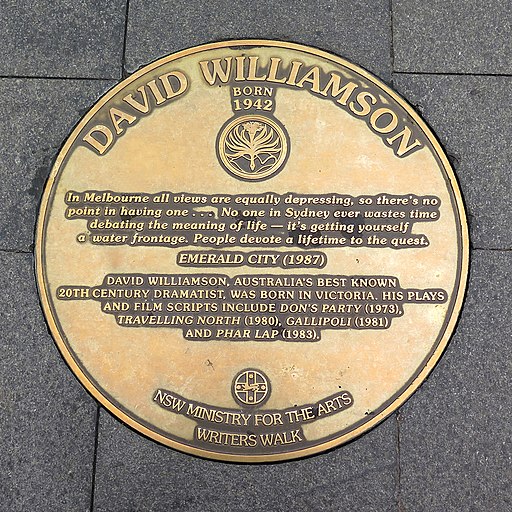
Legendary Australian playwright David Williamson is also sceptical about current government subsidies to international film productions.
Attribution: Snapandrattle33, CC BY-SA 4.0 https://creativecommons.org/licenses/by-sa/4.0, via Wikimedia Commons

*I’d go further, however, and wouldn’t give international productions any special treatment.

Please feel free to comment below. Alternatively, you can email comments, questions, suggestions, or hot tips to contact@queenslandeconomywatch.com

Posted in Industry policy | Tagged , , , , , | Leave a comment